A Short History of UK Mining for Fluorspar, Lead and Tin
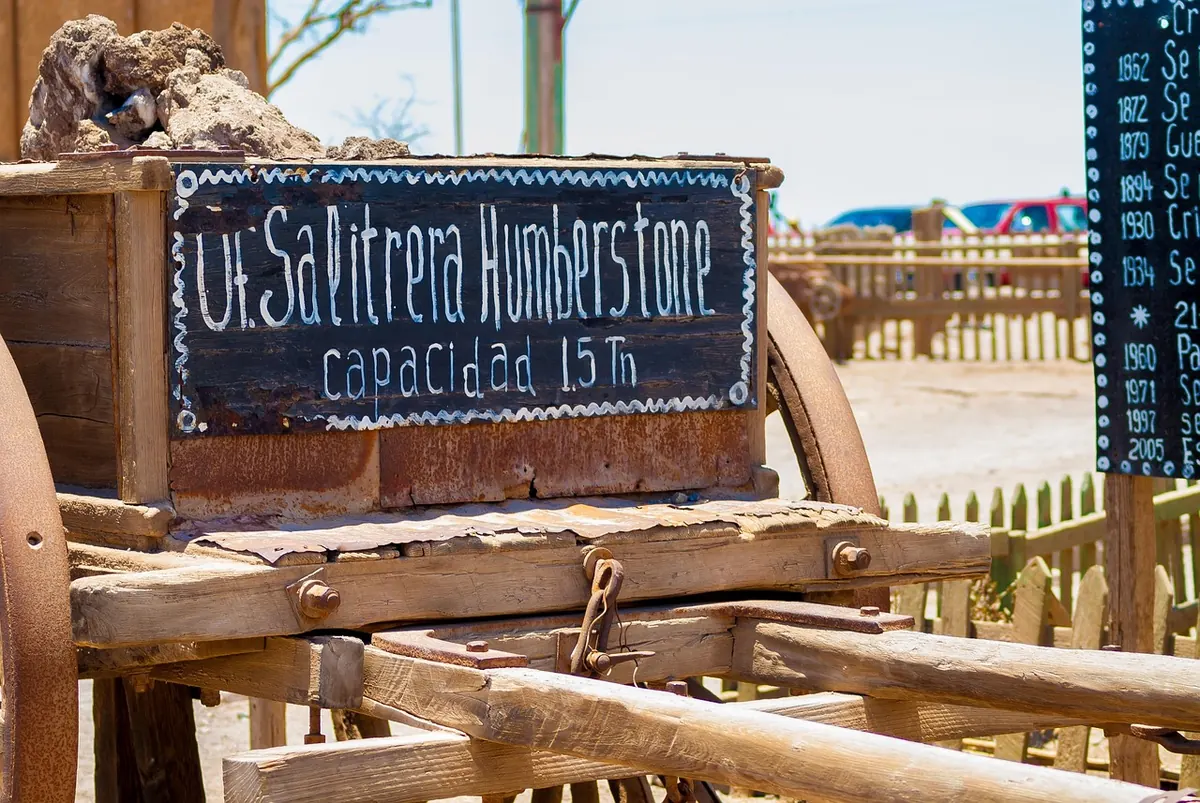
Britain's mining history is written into its hillsides. Walk almost anywhere in Cornwall, the Pennines, the Peak District or the Mendips and you will find the tell-tale signs: grassed-over shafts, crumbling engine houses, grey fans of spoil spilling down a slope. Long before those workings closed, they supplied tin, lead and fluorspar to a country that built ships, roofs, pipes and chemicals from them. For collectors, the same geology that made the mines profitable still turns up specimens in streams, on old tips and in the cracks of exposed rock.
Tin: the trade that predates written records
Tin mining in Cornwall and west Devon is old enough to have shaped how the ancient world saw Britain. Phoenician and Greek traders spoke of the Cassiterides, the Tin Isles, somewhere off the western edge of Europe. Nobody is certain exactly where they meant, but the trade in Cornish tin was certainly underway well before the Roman invasion, and the Romans took a keen interest in the deposits once they arrived.
For centuries the working method was streaming: washing tin oxide out of valley gravels with running water. Later came underground mining, and by the eighteenth and nineteenth centuries Cornish engineers were sinking shafts far below the sea and draining them with beam engines. Places such as Botallack, Geevor, South Crofty and Dolcoath became household names in the industry.
The collapse came in stages. Cheaper overseas tin, particularly from Malaysia and Bolivia, undercut Cornish production from the late nineteenth century onwards. One by one the mines closed; South Crofty, the last working tin mine in Cornwall, ceased production in the 1990s, though there have been repeated attempts to restart it since. What remains is a landscape of engine houses and extensive underground workings.
What tin country leaves for collectors
Cornish tin lodes are associated with a rich suite of minerals. Cassiterite is the ore itself, usually dark, dense and stubbornly hard. Around it you may find tourmaline in black needles, pale lithium micas, fluorite in green and purple, and copper minerals such as chalcopyrite and malachite staining the rock.
- Old spoil tips are the classic hunting ground, but they are often on private land or protected sites. Ask first.
- Stream beds below old workings can hold cassiterite pebbles, recognised by their weight and dark colour.
- Beach and cliff exposures near St Just and St Agnes reveal mineralised rock in situ.
- Mine dumps at heritage sites usually forbid collecting, but the on-site museums often sell or display good reference material.
Lead: the backbone of the Pennines and Mendips
Lead was arguably the most widespread of the three industries. Roman engineers worked the Mendips and parts of Derbyshire, and the trade continued almost without interruption into the twentieth century. Lead ore, usually galena, often carried silver with it, which made some mines far more valuable than their lead output alone suggested.
The great lead districts were the northern Pennines around Alston and Nenthead, the Yorkshire Dales, the Peak District, the Mendips, and the lead-silver veins of mid and north Wales. In the eighteenth and nineteenth centuries these mines supported whole communities. Miners were paid by the amount of ore they raised, which encouraged fast working and, inevitably, dangerous conditions.
The industry declined for familiar reasons: cheaper imports, exhausted upper workings, and the cost of pumping ever-deeper shafts. By the early twentieth century most British lead mines had gone. A handful of operations continued to extract fluorspar or barytes from the same veins, which kept a few sites alive a little longer.
Reading a lead tip
Galena is easy to recognise once you have seen it: bright metallic cubes with a silver-grey sheen, heavy in the hand, and often tarnished to a dull grey. On old tips it is frequently found alongside:
- Barytes — white to honey-coloured, unusually heavy for a pale mineral.
- Calcite — often in nail-head crystals lining cavities.
- Fluorite — yellow, purple or green cubes and octahedra.
- Sphalerite — dark brown to black, resinous, with a distinctive smell when scratched.
- Cerussite and malachite — secondary minerals formed where galena has weathered.
A practical tip: lead minerals are dense, so washing spoil through a sieve in a stream will concentrate them at the bottom of your pan, much as tin streaming does.
Fluorspar: the last great British metal-mining boom
Fluorspar, or fluorite, was long treated as a nuisance mineral in lead mines — gangue material that got in the way of the ore. That changed in the twentieth century. Fluorspar became essential to steelmaking as a flux, to the chemical industry for producing hydrofluoric acid, and later to refrigeration and aluminium processing.
The main British deposits lay in the Pennines, the Peak District and the Mendips, often in the same veins the lead miners had worked. Weardale and the Derbyshire orefield became major producers, and in the Mendips fluorspar was worked on a large scale well into living memory. In County Durham, the Rogerley and similar mines produced world-class green fluorite crystals that collectors now prize highly.
British fluorspar mining wound down as imports and changing industrial demand took their toll. The last deep fluorspar operations in the Peak District closed in the 2020s, leaving the industry largely dependent on imports and on material recovered as a by-product of other quarrying.
Why fluorspar specimens are so collectable
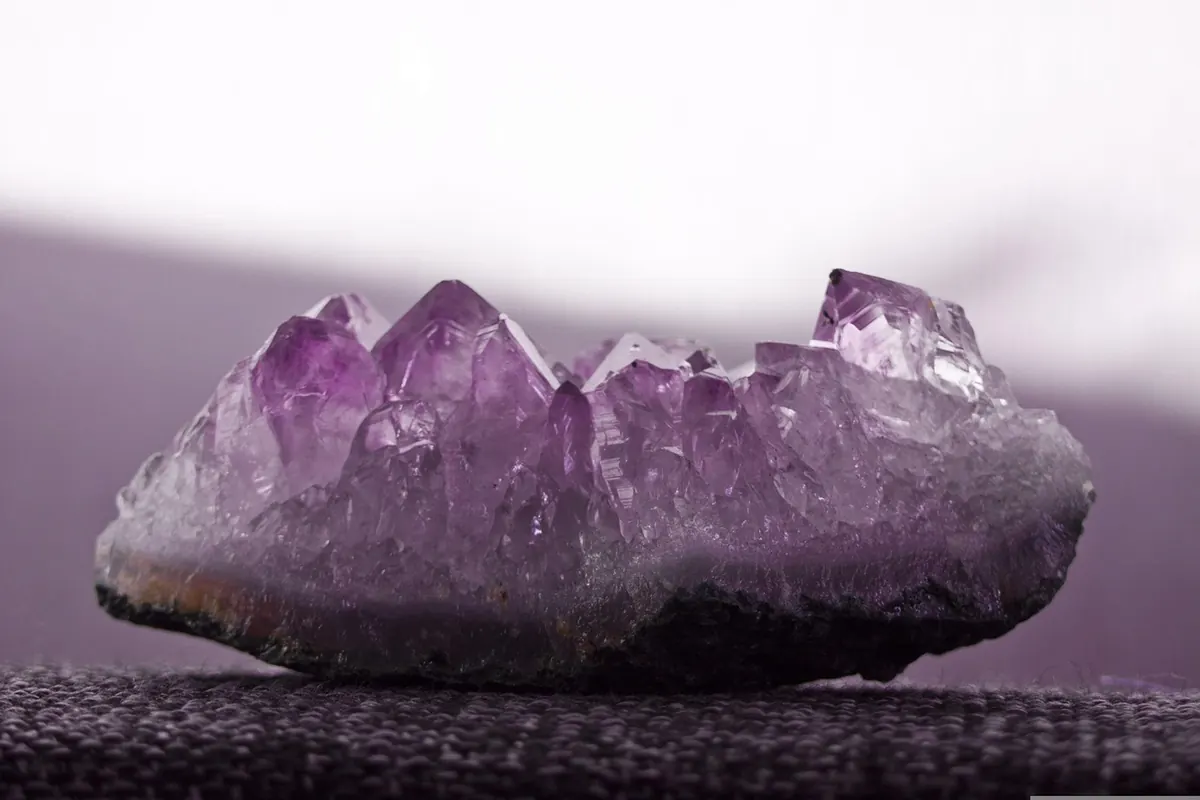
Good fluorite is colourful, translucent and often beautifully formed. British material is admired for its range: the emerald green of Weardale, the amber and purple of Derbyshire, the yellow cubes of the northern Pennines. It also fluoresces under ultraviolet light in many cases, a property that gave the mineral its name in the first place.
Because fluorite is comparatively soft, specimens scratch easily. Wrap them in tissue or bubble wrap, keep them out of direct sunlight where colours may fade, and avoid acidic cleaning solutions.
What the mines left behind
The three industries closed for similar economic reasons, but they left different legacies. Tin gave Cornwall its dramatic engine houses and a UNESCO World Heritage Site. Lead gave the uplands their miles of hushes, buddles and levels, plus a long and sobering record of industrial disease among miners. Fluorspar gave Britain some of its finest mineral specimens and a reminder that a mineral's value depends entirely on what industry wants at the time.
For anyone interested in minerals, this history is practical rather than nostalgic. Knowing which veins carried which minerals tells you what to look for and where. It also explains why certain specimen localities became famous and why material from them is now hard to obtain.
Starting your own collection responsibly
Before you pick anything up, check where you are. Most disused mine sites in the UK are privately owned, and many are protected as scheduled monuments or Sites of Special Scientific Interest. Collecting is often prohibited on these, and entering old workings is genuinely dangerous — unstable ground, deep shafts and bad air are not hypothetical risks.
Sensible habits for a new collector:
- Join a local mineral or geological society. Members know which sites are open, which need permission, and which are strictly off limits.
- Ask landowners directly. A polite request often works, and it keeps access open for everyone.
- Stay on the surface. Never enter adits, shafts or tunnels, however tempting.
- Take a little, leave plenty. Spoil heaps are finite, and other collectors and researchers rely on them.
- Label everything you find with the site and date. A specimen without a locality is worth far less than one with a story attached.
If you would rather not dig at all, museum shops, established mineral dealers and reputable online sellers offer British material with reliable localities. It is a good way to learn what the classic species look like before you head out with a hammer and a hand lens.
Start with one district, learn its minerals properly, and the rest of the country will make more sense. Britain's mining past is scattered across its hillsides — you just need to know what you are looking at.
Photo: voltamax / Pixabay